
Filters
Documents containing drug
Showing 25 of 65 items meeting your criteria.
| Type | Category | Supplier | ||
|---|---|---|---|---|
 | Cancer remains one of the most active areas of biomedical research, driving continuous advances in immunotherapy, targeted therapeutics, biomarker discovery, and precision medicine. To support cancer research from basic biology to translational studies, Abnova offers a comprehensive portfolio of antibodies, recombinant proteins, and ELISA kits covering key oncology pathways and targets.
This catalog highlights antibodies, recombinant proteins, and ELISA kits supporting research in Immuno-Oncology, Cell Therapy, Targeted Therapy, Biomarkers, DNA Repair, Tumor Microenvironment, Cell Signaling, Cancer Stem Cells, Tumor Suppressors, Cell Death, Hematologic Oncology, and Cancer Metabolism. Our products are designed to support studies in tumor biology, immune regulation, therapeutic target validation, biomarker development, and drug discovery. | |||
Documents | Cancer | Abnova Corporation | ||
 | Biologics development requires accurate quantification and reliable immunogenicity assessment to ensure safety and efficacy. Abnova provides Biosimilar and Immunogenicity Research Tools to support key workflows from drug measurement to immune response evaluation.
Abnovas portfolio includes biosimilar antibodies and ELISA kits for comparative and PK studies, as well as ADA reagents and ELISA kits for immunogenicity assessment. These solutions provide high sensitivity and reproducibility, enabling efficient and consistent research outcomes. | |||
Documents | Immunology | Abnova Corporation | ||
 | The use of organoids for disease modelling, drug discovery and personalised medicine has become increasingly popular. Processes for the generation and maintenance of organoids can
be complex, requiring high technical awareness. Additionally, some organoid models are unsuitable for storage and shipment by freeze/thaw. WellReady™offers a simple solution to
these challenges, allowing for the shipment of developed organoid models at ambient temperatures, supplying the end-user with a ready to use model. | |||
Documents | Sample Preservation | Atelerix | ||
 | T he dense stromal reaction in PDAC, rich in collagen, profoundly impacts tumor progression and drug delivery. Aberrant collagen remodeling is a hallmark of this aggressive cancer. Collagen Hybridizing Peptides (CHPs), with their unique ability to target denatured collagen, offer a powerful tool to visualize and quantify these critical structural changes within the PDAC microenvironment. This technology can enhance our understanding of stromal biology and potentially identify novel therapeutic strategies. | |||
Documents | Peptides | 3Helix | ||
 | The ability of CHPs to specifically target and visualize active fibrosis offers several important implications for nAMD research. Firstly, they serve as a novel tool for understanding the dynamics of fibrosis in the disease process, potentially identifying key stages for intervention. Secondly, CHPs can accelerate the development of new anti-fibrotic treatments by providing a direct and quantifiable measure of drugefficacy in preclinical studies. Finally, while currently primarily used in animal models, the potential exists to translate CHP technology into diagnostic tools for human patients, allowing for earlier detection and monitoring of subretinal fibrosis, which could ultimately lead to improved treatment strategies and visual outcomes. | |||
Documents | Peptides | 3Helix | ||
 | Biopredic are a biotechnology company specializing in the design and manufacture of human and animal assay systems. Their solutions for Drug, Cosmetic, and Chemical development and testing are focused on liver, skin and blood. | |||
Documents | Supplier Introduction | Biopredic | ||
 | TargetMol, as a professional one-stop platform for drug discovery, offers a variety of products related to Endocrinology and Metabolism. | |||
Documents | Metabolism | TargetMol | ||
 | HTS, which emerged in the 1990s, is a new model for drug discovery that integrates advanced technology in chemistry, biology, bioinformatics and automation. | |||
Documents | Drug Discovery | TargetMol | ||
 | As a one-stop drug screening expert, TargetMol offers stable products with a wide variety, providing a range of inhibitors & agonists, recombinant proteins, compound libraries and drug-like compound libraries related to cardiovascular diseases. | |||
Documents | Cardiovascular | TargetMol | ||
 | Computer-Aided Drug Design (CADD) is a technology that utilises computer techniques to discover and optimise active lead compounds into candidate drugs. Artificial Intelligence-Driven Drug Discovery (AIDD) utilises AI technology to improve the efficiency and success rate of the drug discovery and design process. | |||
Documents | Drug Discovery | TargetMol | ||
 | Drug-Like Compounds, as a class of small molecules with drug potential, serve as an important source for small-molecule drug discovery. They are typically derived from existing drugs through structural modifications or improvements to achieve better efficacy or reduce adverse effects. Drug-like compounds help researchers gain insights from existing drugs, enabling the rapid development of novel therapeutics and improving research and development efficiency. | |||
Documents | Small Molecules | TargetMol | ||
 | TargetMol currently offers more than 3,000 inhibitory antibody products, including biosimilar antibodies, bispecific antibodies, antibody-drug conjugates (ADCs) and anti-mouse/anti-rat in vivo antibodies. | |||
Documents | Antibodies | TargetMol | ||
 | Protein-protein interactions (PPIs) are the cornerstone of life processes and a "goldmine" of targets for next-generation drug development. Yet, PPI-targeted drug discovery often hits a wall: groundbreaking mechanisms are identified, but validated lead compounds remain elusive—leaving researchers with "no ingredients to cook with." | |||
Documents | Service | TargetMol | ||
 | Founded in 2018 as an academic spin-off based on unique DIANA technology for drug discovery and diagnostics, bringing deep expertise in molecular biology, chemistry and informatics. All operations are based in the heart of Europe: Prague, Czech Republic. With our expertise in protein engineering, we develop and produce unique and high-performance reagents for PCR, RT-PCR, RNA production, NGS and sample preparation in research, development and diagnostics. | |||
Documents | Catalogue | DIANA Biotechnologies | ||
 | Cloud-Clone provides high-quality raw materials to support global new drug development, biopharmaceutical companies, diagnostic reagent manufacturers, and CROs. | |||
Documents | Proteins | Cloud-Clone Corp. | ||
 | Empowering your neuroscience research. Accelerating drug discovery, development and translation for nervous system disorders. | |||
Documents | Neuroscience | iXCells Biotechnologies | ||
 | Leukopaks provide enriched peripheral blood mononuclear cells (PBMCs)with low granulocytes and red blood cells. They are a vital source material forimmunological studies, cell therapy research, and pharmaceuticaldevelopment. The collection and processing of the material requires tightcoordination between the sourcing and laboratory teams to collect, processand cryopreserve large number of samples within the ideal time of less than 24hours. Here, we demonstrate that by cryopreserving Leukapheresis materialand primary cells logistical issues are eliminated, providing convenience inthe timing of experiments, lowering costs of research and development of newtherapies, and allowing future access to same lot samples for additionalstudies. However, the impact of cryopreservation of Leukopaks and primarycells efficacy have been mixed. To demonstrate the shelf life of cryopreservedLeukopaks we performed a year long stability study demonstrating that theviability of the products remains above 95% post-thaw. We also performedbulk isolations of primary cells such as MNCs, CD3+ T Cells and CD56+ NKcells from 10 Billion TNC Leukopaks, from 20 donors to demonstrate anaverage cost saving initiative for the biotech industry of about $57K per donorfor the MNC isolation, $91K per donor for the CD3+T Cell isolation, and$12K per donor for the CD56+ NK Cell isolation. | |||
Documents | Biological Samples | CGT Global | ||
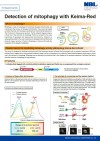 | Mitophagy can be detected and visualised due to the changes in the excitation spectrum of mKeima-Red before and after induction of mitophagy by drug treatment. | |||
Documents | Proteins | Medical & Biological Laboratories (MBL) | ||
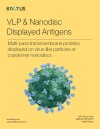 | KACTUS has developed a catalogue of full-length multipass transmembrane proteins displayed on virus-like particles (VLPs) or copolymer nanodiscs for immunisation, affinity testing, PK/PD studies, antibody characterisation and other drug discovery applications. | |||
Documents | Proteins | KactusBio Inc. | ||
 | Neuromics is proud to introduce their newest pioneering research tools - human Cas9 expressing primary cells and GPCR expressing cell lines. With these modifications, the cells are valuable and versatile options for drug discovery, studying disease mechanisms, and countless other applications. | |||
Documents | Primary Cells | Neuromics | ||
 | KACTUS excels in crafting and producing an array of superior-grade, highly active recombinant proteins and enzymes, catering to diverse sectors like antibody drug discovery, immunotherapy, biologics and cell therapy. Their expansive catalog, boasting over 3000 recombinant proteins, encompasses a wide spectrum of targets, species, tags, and labels, each thoughtfully chosen to address the specific, unmet needs of scientists engaged in drug development. The hallmark of their product selection process is a rigorous emphasis on exceptional quality and a steadfast commitment to ensuring reliable supply, thereby upholding the highest standards of excellence and client satisfaction. | |||
Documents | Catalogue | KactusBio Inc. | ||
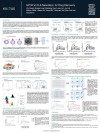 | G protein-coupled receptors (GPCRs), also known as seven-transmembrane receptors, represent the most important class of drug targets. However, extraction and purification of membrane proteins like GPCRs, ion channels, and transporters are generally challenging due to low expression levels and the hydrophobic nature of transmembrane segments. To tackle this challenge, we have engineered and produced GPCRs in VLP and/or nanodisc formats, which have been successfully applied to GPCR antibody drug discovery and various in vitro assays. | |||
Documents | Drug Discovery | KactusBio Inc. | ||
 | KACTUS offers custom full-length solute carrier protein expression services displayed on VLPs or nanodiscs for various drug discovery applications. | |||
Documents | Proteins | KactusBio Inc. | ||
 | TargetMols Drug Repurposing Compound Library, containing 4900+ approved and clinical drugs, has undergone extensive preclinical studies and have well-characterised bioactivities, safety and bioavailability. | |||
Documents | Drug Discovery | TargetMol | ||
 | As a leading supplier in the field of drug discovery, TargetMol offers various products related to neurodegenerative diseases including active compounds, compound libraries and recombinant proteins. | |||
Documents | Neuroscience | TargetMol | ||