

Mouse Pulmonary Alveolar Macrophages
Product Code:
SC-M3040-57
SC-M3040-57
Product Group:
Isolated Blood, Tissue and Bone Marrow Samples
Isolated Blood, Tissue and Bone Marrow Samples
Supplier:
Sciencell
Sciencell
Sample Source:
Peripheral Blood
Peripheral Blood
Sample Type:
Isolated Cells
Isolated Cells
Species:
Mouse
Mouse
Host Type:
Mouse
Mouse
Regulatory Status:
RUO
RUO
Application:
Cell Culture
Cell Culture
Shipping:
Dry Ice
Dry Ice

No additional charges, what you see is what you pay! *
Stay in control of your spending. These prices have no additional charges to UK mainland customers, not even shipping!
* Rare exceptions are clearly labelled (only 0.14% of items!).
* Rare exceptions are clearly labelled (only 0.14% of items!).
Multibuy discounts available! Contact us to find what you can save.
This product comes from: United States.
Typical lead time: 10-14 working days.
Contact us for more accurate information.
Typical lead time: 10-14 working days.
Contact us for more accurate information.
- Further Information
- Documents
- Related Products
- Show All
Further Information
Extra Description:
Pulmonary alveolar macrophages (PAMa) are located in the alveoli of the lungs and protect the respiratory tract against respiratory pathogens. PAMa are the main phagocytes of the innate immune system and they originate from the yolk sac. Functionally, PAMa are tasked with maintaining pulmonary homeostasis and protecting the body from invading pathogens [1].
Long Description:
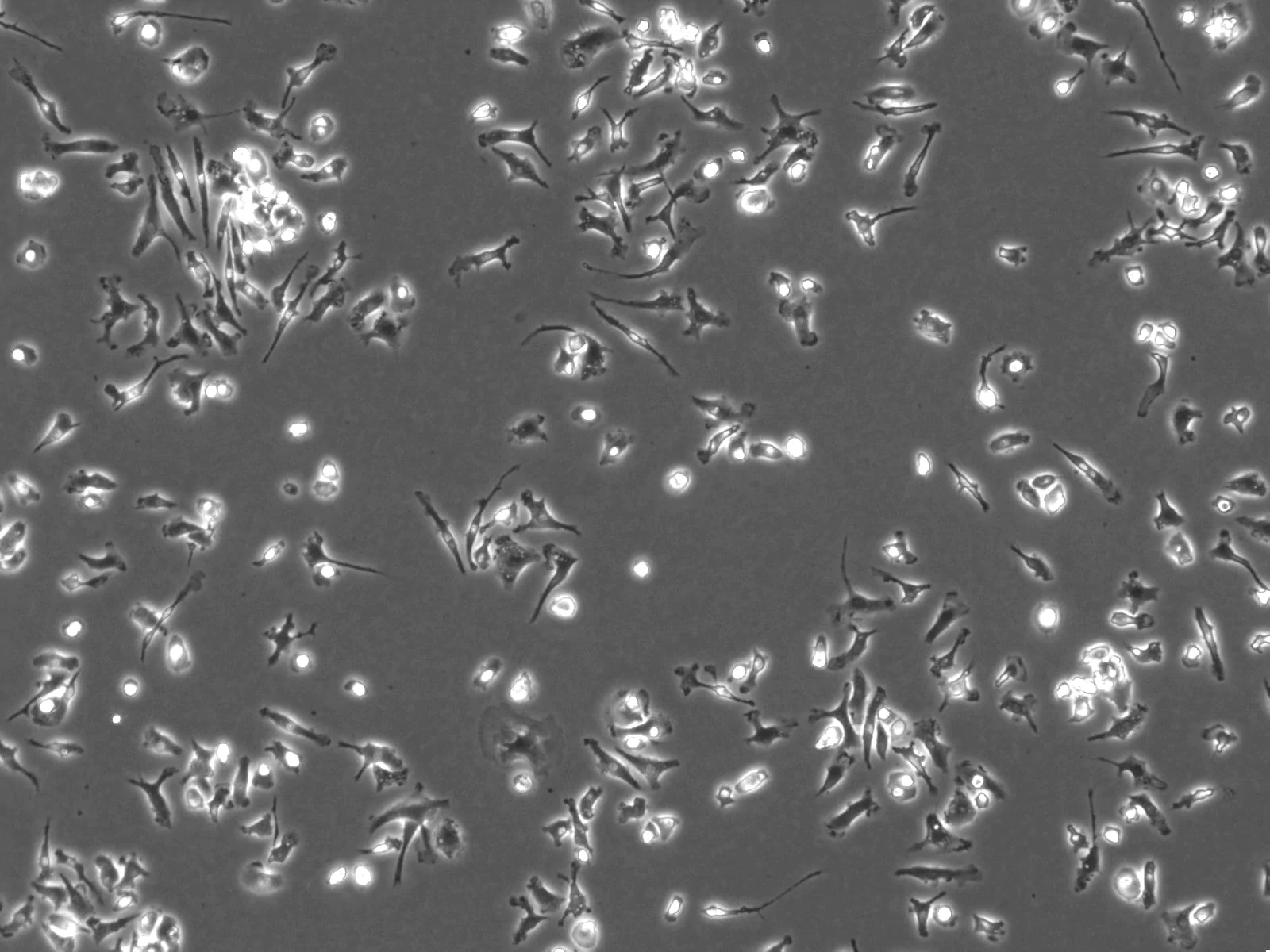
Pulmonary alveolar macrophages (PAMa) are located in the alveoli of the lungs and protect the respiratory tract against respiratory pathogens. PAMa are the main phagocytes of the innate immune system and they originate from the yolk sac. Functionally, PAMa are tasked with maintaining pulmonary homeostasis and protecting the body from invading pathogens. Importantly, they also control the response to pathogens and epithelial damage, use phagocytosis to remove apoptotic cells, and remove waste material from the epithelium. PAMa have two functional states known as the M1 phenotype and the M2 phenotype. The function of M1 macrophages is to recruit immune cells into the lung. Conversely, M2 macrophages secrete factors which reduce inflammation and stimulate repair in the epithelium. In order to identify pathogens and injury sites, PAMa have pattern recognition receptors, such as toll-like recepetors. Additionally, PAMa are known to express angiotensin-converting enzyme 2 (ACE2), making them a potential alternative route for infection from pathogens such as SARS-CoV-2. The infection of alveolar macrophages by SARS-CoV-2 may also promote the cytokine storm which occurs in severe COVID-19 patients. Mouse PAMa (MPAMa) can be used to study pulmonary disease and better understand the role these cells play in lung disease tolerance.
MPAMa from ScienCell Research Laboratories are isolated from C57BL/6 mouse lung. MPAMa are cryopreserved at P0 and delivered frozen. Each vial contains >1 x 10^6 cells in 1 ml volume. MPAMa are characterized by morphology and immunofluorescence with antibodies specific to F4/80. MPAMa are negative for mycoplasma, bacteria, yeast, and fungi. MPAMa are guaranteed to further culture under the conditions provided by ScienCell Research Laboratories, however, MPAMa are not recommended for expanding or long-term cultures since the cells do not proliferate in regular culture.
Recommended Medium -
It is recommended to use Macrophage Medium (MaM, Cat. #1921) for culturing MPAMa in vitro.
Documents
Related Products
| Product Name | Product Code | Supplier | Dulbecco's Phosphate-Buffered Saline 500 ml | SC-0303 | Sciencell | Summary Details | |||||||||||||||||||||||||||||||||||||||||||||||||||||||||||||||||||||||||||||||||||||||||||||
|---|---|---|---|---|---|---|---|---|---|---|---|---|---|---|---|---|---|---|---|---|---|---|---|---|---|---|---|---|---|---|---|---|---|---|---|---|---|---|---|---|---|---|---|---|---|---|---|---|---|---|---|---|---|---|---|---|---|---|---|---|---|---|---|---|---|---|---|---|---|---|---|---|---|---|---|---|---|---|---|---|---|---|---|---|---|---|---|---|---|---|---|---|---|---|---|---|---|---|---|
| Poly-L-Lysine | SC-0403 | Sciencell | Summary Details | ||||||||||||||||||||||||||||||||||||||||||||||||||||||||||||||||||||||||||||||||||||||||||||||||
| Poly-L-Lysine | SC-0413 | Sciencell | Summary Details | ||||||||||||||||||||||||||||||||||||||||||||||||||||||||||||||||||||||||||||||||||||||||||||||||
| Macrophage Medium | SC-1921 | Sciencell | Summary Details | ||||||||||||||||||||||||||||||||||||||||||||||||||||||||||||||||||||||||||||||||||||||||||||||||
| Mouse Pulmonary Alveolar Macrophages | SC-M3040 | Sciencell | Summary Details | ||||||||||||||||||||||||||||||||||||||||||||||||||||||||||||||||||||||||||||||||||||||||||||||||
| Mouse Pulmonary Alveolar Epithelial Cells | SC-M3200-57 | Sciencell | Summary Details | ||||||||||||||||||||||||||||||||||||||||||||||||||||||||||||||||||||||||||||||||||||||||||||||||
| Rat Pulmonary Alveolar Macrophages | SC-R3040 | Sciencell | Summary Details | ||||||||||||||||||||||||||||||||||||||||||||||||||||||||||||||||||||||||||||||||||||||||||||||||