

Rat Lens Epithelial Cells
Product Code:
SC-R6550
SC-R6550
Product Group:
Primary Cells
Primary Cells
Supplier:
Sciencell
Sciencell
Cell System:
Ocular Cell System
Ocular Cell System
Cell Type:
Epithelial Cells
Epithelial Cells
Species:
Rat
Rat
Host Type:
Rat
Rat
Regulatory Status:
RUO
RUO

No additional charges, what you see is what you pay! *
Stay in control of your spending. These prices have no additional charges to UK mainland customers, not even shipping!
* Rare exceptions are clearly labelled (only 0.14% of items!).
* Rare exceptions are clearly labelled (only 0.14% of items!).
Multibuy discounts available! Contact us to find what you can save.
This product comes from: United States.
Typical lead time: 10-14 working days.
Contact us for more accurate information.
Typical lead time: 10-14 working days.
Contact us for more accurate information.
- Further Information
- Documents
- Related Products
- Show All
Further Information
Extra Description:
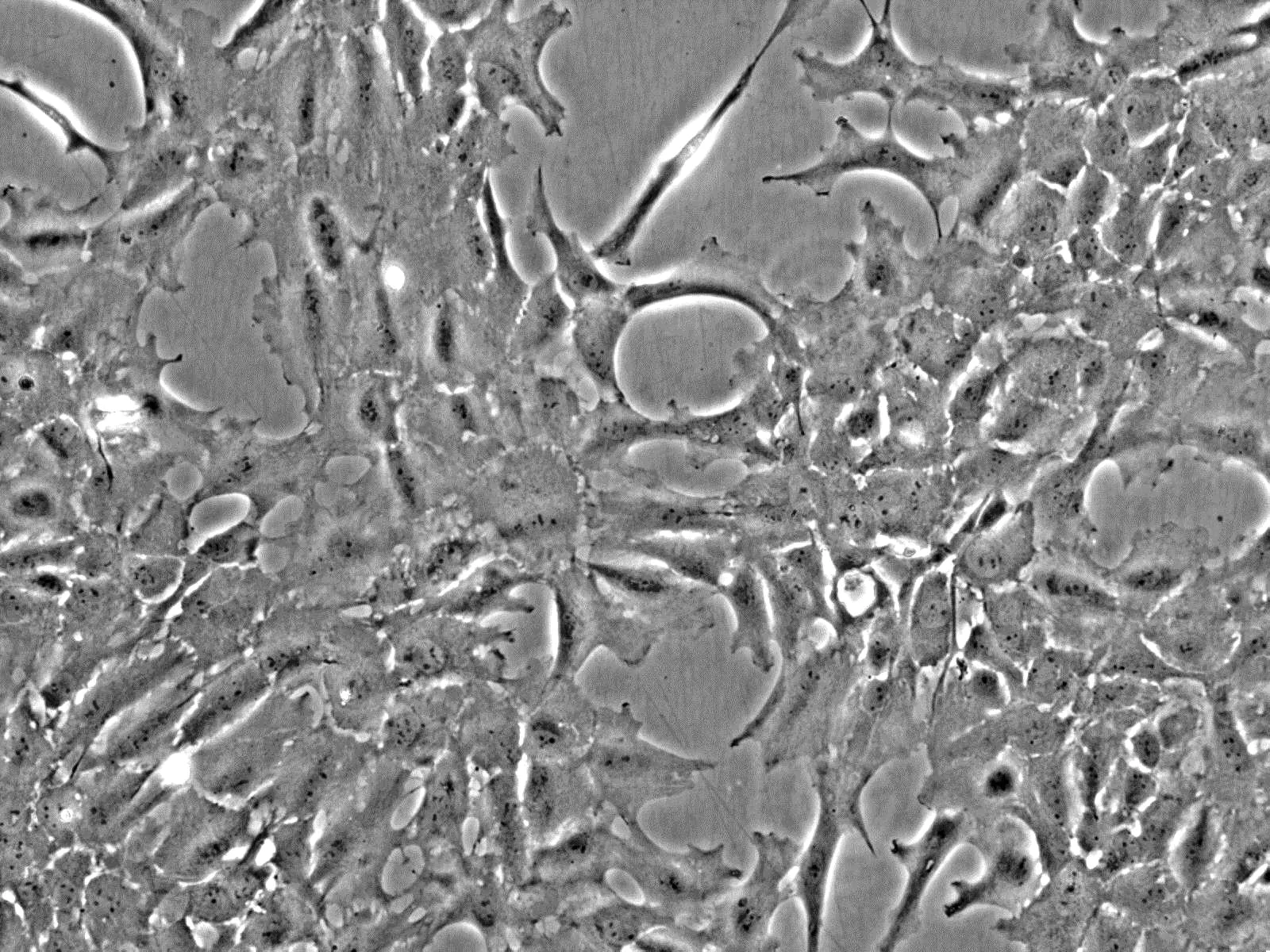
RLEpiC from ScienCell Research Laboratories are isolated from the adult CD? IGS rat lens. RLEpiC are cryopreserved at passage one and delivered frozen. Each vial contains >5 x 10^5 cells in 1 ml volume.
Long Description:
The mammalian lens consists of two cell types, lens fiber cells which form the bulk of the lens, and a monolayer of epithelial cells that cover the anterior surface of the fibers. Lens epithelial cells are responsible for homeostasis regulation of the lens, including electrolyte and fluid transport. Under normal development, lens epithelial cells progressively differentiate and mature. Lens epithelial cells then migrate from the equatorial region into the interior of the lens to produce transparent crystallins, elongate to form lens fiber cells, and eventually lose their nuclei and other organelles. Studies have shown that lens epithelial cell differentiation and lens polarization are regulated by growth factors present in the ocular fluids, such as epidermal growth factor, basic fibroblast growth factor, insulin growth factor, and insulin.
RLEpiC from ScienCell Research Laboratories are isolated from the adult CD? IGS rat lens. RLEpiC are cryopreserved at passage one and delivered frozen. Each vial contains >5 x 10^5 cells in 1 ml volume. RLEpiC are characterized by immunofluorescence with antibodies specific to cytokeratin-18. RLEpiC are negative for mycoplasma, bacteria, yeast and fungi. RLEpiC are guaranteed to further culture in the conditions provided by ScienCell Research Laboratories; however, RLEpiC are not recommended for long-term cultures due to limited expansion capacity and senescence after subculturing.
Recommended Medium -
It is recommended to use Epithelial Cell Medium-animal (EpiCM-a, Cat. #4131) for culturing RLEpiCin vitro .
Documents
Related Products
| Product Name | Product Code | Supplier | Trypsin/EDTA Solution 100 ml | SC-0103 | Sciencell | Summary Details | |||||||||||||||||||||||||||||||||||||||||||||||||||||||||||||||||||||||||||||||||||||||||||||
|---|---|---|---|---|---|---|---|---|---|---|---|---|---|---|---|---|---|---|---|---|---|---|---|---|---|---|---|---|---|---|---|---|---|---|---|---|---|---|---|---|---|---|---|---|---|---|---|---|---|---|---|---|---|---|---|---|---|---|---|---|---|---|---|---|---|---|---|---|---|---|---|---|---|---|---|---|---|---|---|---|---|---|---|---|---|---|---|---|---|---|---|---|---|---|---|---|---|---|---|
| Trypsin Neutralization Solution | SC-0113 | Sciencell | Summary Details | ||||||||||||||||||||||||||||||||||||||||||||||||||||||||||||||||||||||||||||||||||||||||||||||||
| Dulbecco's Phosphate-Buffered Saline 500 ml | SC-0303 | Sciencell | Summary Details | ||||||||||||||||||||||||||||||||||||||||||||||||||||||||||||||||||||||||||||||||||||||||||||||||
| Poly-L-Lysine | SC-0403 | Sciencell | Summary Details | ||||||||||||||||||||||||||||||||||||||||||||||||||||||||||||||||||||||||||||||||||||||||||||||||
| Epithelial Cell Medium-animal | SC-4131 | Sciencell | Summary Details | ||||||||||||||||||||||||||||||||||||||||||||||||||||||||||||||||||||||||||||||||||||||||||||||||