
Why the fresh vs cryo decision matters
Most CAR T processes are built around predictable inputs. When those inputs shift, it becomes harder to hit target yields, expansion timing, and manufacturing release criteria.
Fresh and cryopreserved leukopaks differ in:
- logistics and scheduling flexibility
- post processing recovery and expansion behaviour
- sensitivity to handling variables
- lot to lot consistency
Choosing the right format is not about “which is better.” It is about what your process and program stage require.
Fresh Leukopaks
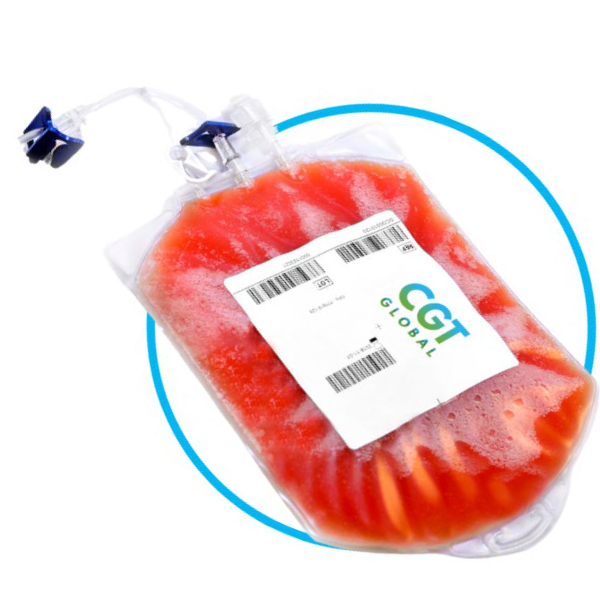
Best for
- workflows that process cells quickly after collection
- programs prioritising maximum cell recovery and strong functional performance
- teams optimising expansion kinetics or minimising stress factors
- early development when you want the cleanest read on your protocol

Why choose fresh
Fresh leukopaks are often selected when you want to reduce variables. In general, they can offer strong cell recovery and a more direct view of donor biology without freeze-thaw effects.
Fresh leukopaks are also useful when your workflow depends on high responsiveness to activation and expansion conditions.
Considerations
Fresh material comes with scheduling and timing constraints. The value of a fresh leukopak depends heavily on:
- time from collection to processing
- temperature control in transit
- consistency of collection and handling
If those factors are not tightly managed, performance can vary.
Cryopreserved Leukopaks
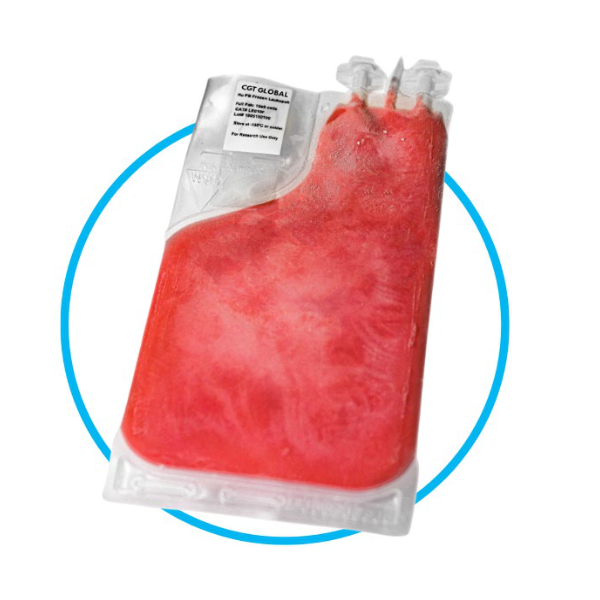
Best for
- programs needing predictable scheduling across sites
- teams running repeated experiments or manufacturing runs using the same donor lots
- workflows requiring inventory, long-term planning, or long-distance shipping
- development programs that want to lock in consistent starting material over time

Why choose cryo
Cryopreserved leukopaks offer operational control. You can align runs to manufacturing availability, reduce last-minute scheduling issues, and maintain supply continuity.
Cryo also supports repeatability. If your team needs the same donor material available for multiple timepoints, a cryopreserved supply makes that possible.
Considerations
Cryopreservation introduces its own variables. Outcomes depend on:
- freezing and storage methods
- thaw technique
- post-thaw recovery time
- how your process handles freeze-thaw stress
Some cell types recover better than others. That can subtly shift the immune composition after thaw and impact selection and expansion behaviour. If your process is highly sensitive, those shifts can show up as changes in yield, viability, and expansion kinetics.
How fresh and cryo affect T cell enrichment and expansion
Enrichment
If your goal is clean T cell isolation, both fresh and cryopreserved leukopaks can work, but the ease and consistency of selection often depend on how stable the post-thaw population is and how well your method tolerates debris and stressed cells.
Expansion
Fresh material often supports strong responsiveness because cells have not been through freeze-thaw stress. Cryopreserved material can still expand well, but expansion curves may vary depending on post-thaw recovery and baseline donor biology.
The key is aligning format selection with what your protocol expects.
How to choose the right format for your program
Choose fresh if:
- you want to maximise performance and minimise variability introduced by freezing
- you are optimising activation, transduction, and expansion conditions
- you can control timing, shipping, and rapid processing
Choose cryo if:
- you need flexibility to schedule runs
- you want consistent repeat access to the same donor material
- you need inventory for multi-site work
- your protocol has been validated to perform well post-thaw
Many programs use both. Fresh in early development to understand baseline process behaviour, then cryo to support scaling and operational continuity.
How to reduce variability with either format
Regardless of fresh or cryo, the biggest performance gains usually come from controlling three areas.
- Collection protocol consistency
- Donor screening aligned to program goals
- Handling and logistics control
If you are seeing inconsistent expansion, you can often trace it back to differences in immune composition, stressed cells, or variability in how collections and shipments were handled.
How CGT Global supports fresh and cryopreserved leukopak supply
CGT Global supports both fresh and cryopreserved leukopak programs, so teams can choose the format that aligns with their manufacturing reality.
We work with customers to align:
- donor options and screening preferences
- collection execution
- handling and shipping requirements
- supply format based on program stage
If you are moving toward more repeatable manufacturing outcomes, tightening starting material inputs is one of the fastest and most controllable steps.
Bottom line
Fresh and cryopreserved leukopaks can both support CAR T workflows. The right choice depends on whether you are optimising for maximum biological performance, operational flexibility, or repeatability.
If you want help choosing the right format for your T cell enrichment and expansion process, CGT Global can help define starting material specs that match your workflow.
Originally posted by CGT Global on: https://cgt.global/fresh-vs-cryopreserved-leukopaks-for-car-t-manufacturing/
Caltag is the distributor of these CGT Global products in the UK and Ireland. If you have any questions about these products, please contact us.