
Sciencell

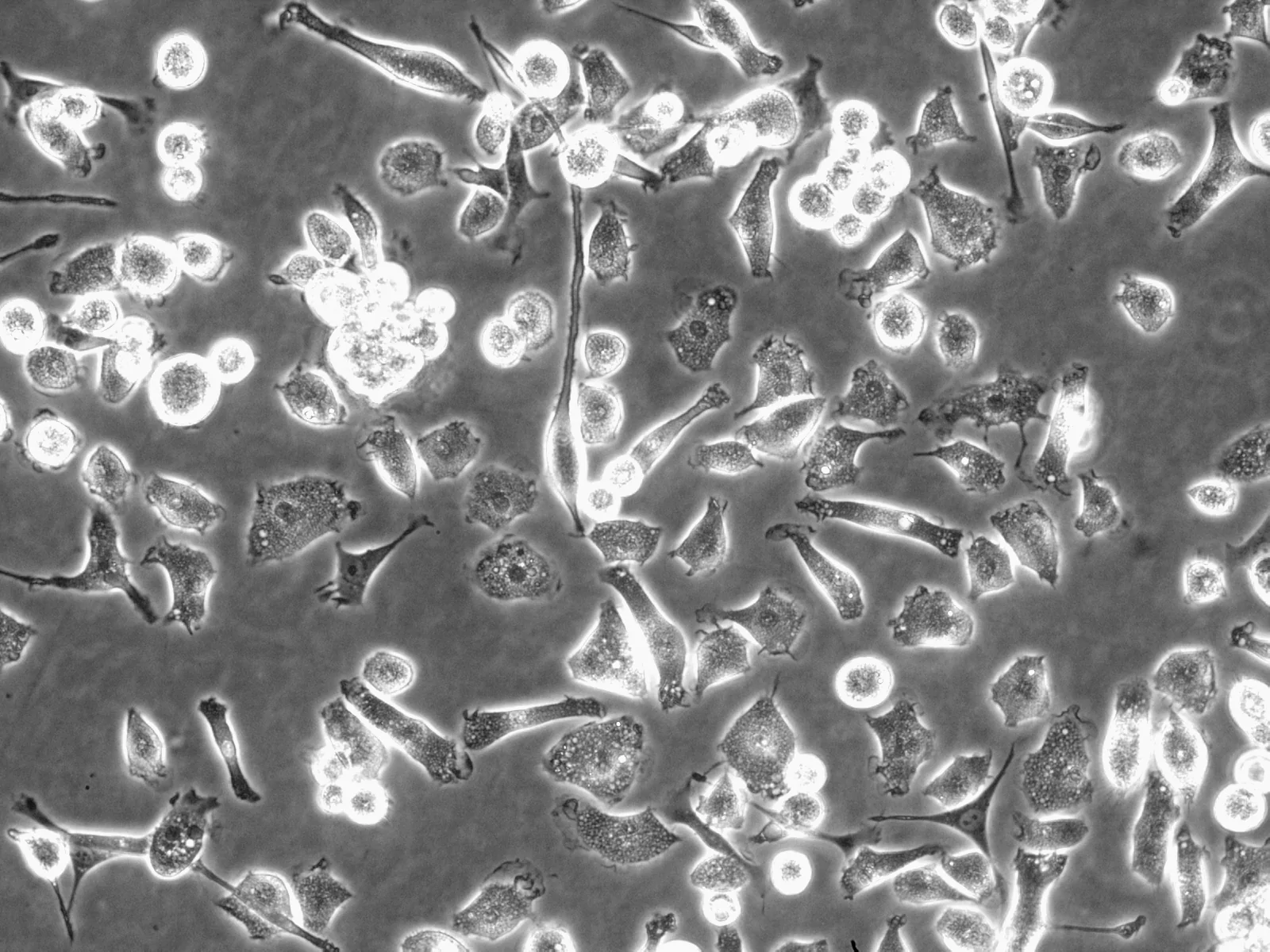
Rat Hepatic Macrophage

Product Code:
 
SC-R5340
Supplier:
 
Sciencell
Sample Source:
 
Peripheral Blood
Sample Type:
 
Isolated Cells
Species:
 
Rat
Regulatory Status:
 
RUO
1 / 1

No additional charges, what you see is what you pay! *

CodeSizePrice
SC-R53401 x 10^6 cells/vial£390.00
Quantity:
Prices exclude any Taxes / VAT
Stay in control of your spending. These prices have no additional charges to UK mainland customers, not even shipping!
* Rare exceptions are clearly labelled (only 0.14% of items!).
Multibuy discounts available! Contact us to find what you can save.
This product comes from: United States.
Typical lead time: 10-14 working days.
Contact us for more accurate information.
  • Further Information
  • Documents
  • Show All

Further Information

Extra Description:
Isolated from postnatal day 2 or postnatal day 8 rat liver. RHMa are cryopreserved at P0 and delivered frozen. Each vial contains > 1 x 10^6 cells in 1 ml volume.
Long Description:
Macrophages are cells differentiated from circulating bone marrow-derived monocytes. Their main function is to remove cellular debris and invading pathogens. Hepatic macrophages, which are also known as Kupffer cells, reside within the lumen of liver sinusoids. Hepatic macrophages protect the liver by responding to pathogens and metastatic cells, whilst tolerating harmless self and foreign antigens, which enter via blood flow through portal vein and hepatic artery. Recent studies have shown that hepatic macrophages play an important role in fibrosis, liver inflammation, alcoholic liver disease, fatty liver disease, liver transplantation and more. Macrophages isolated from fresh rat liver tissue serve as an excellent model for studying their functions under normal physiological and pathological conditions. RHMa from ScienCell Research Laboratories are isolated from postnatal day 2 or postnatal day 8 rat liver. RHMa are cryopreserved at P0 and delivered frozen. Each vial contains > 1 x 10^6 cells in 1 ml volume. RHMa are characterized by immunofluorescence with antibody to F4/80. RHMa are negative for mycoplasma, bacteria, yeast, and fungi. RHMa is guaranteed to further culture in the condition provided by ScienCell Research Laboratories; however, RHMa are not recommended for expanding or long-term cultures since the cells do not proliferate in regular culture. Recommended Medium - It is recommended to use Macrophage Medium (MaM, Cat. #1921) for culturing RHMa in vitro .