

GeneQuery™ Human Macrophage Polarization Markers qPCR Array Kit

No additional charges, what you see is what you pay! *
Stay in control of your spending. These prices have no additional charges to UK mainland customers, not even shipping!
* Rare exceptions are clearly labelled (only 0.14% of items!).
* Rare exceptions are clearly labelled (only 0.14% of items!).
Multibuy discounts available! Contact us to find what you can save.
This product comes from: United States.
Typical lead time: 10-14 working days.
Contact us for more accurate information.
Typical lead time: 10-14 working days.
Contact us for more accurate information.
- Further Information
- Documents
- References
- Related Products
- Show All
Further Information
Description:
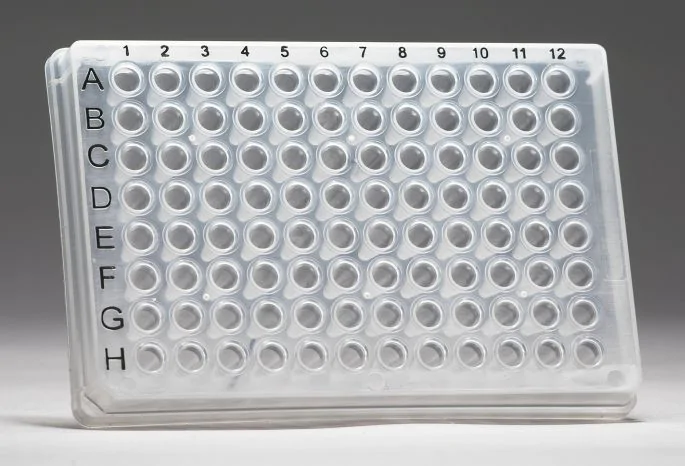
ScienCell's GeneQuery™ Human Macrophage Polarization Markers qPCR Array Kit (GQHMPP) is designed to facilitate gene expression profiling of 40 marker genes involved in macrophage polarization, which has important implications for regulating innate immunological functions and maintaining homeostasis. Macrophages can be stimulated to distinct functional phenotypes: M1 (classically activated) macrophages, M2 (alternatively activated) macrophages and tumor-associated macrophages. The M2 phenotype can be further divided into M2a, M2b, M2c and M2d subsets based on surface markers and cytokine profiles. Brief examples of how included genes may be grouped according to their functions are shown below:
- M1 macrophage markers: - TNF, IL1B/6/12A/23A, MMP9, IFNG, CD68/80/86, IL1R1, TLR2/4, NOS2
- M2a macrophage markers: - TGFB1, IL10, CD163, MRC1, CD200R1, IL1R1/2
- M2b macrophage markers: - CD86, IL1B/6/10, TNF -
- M2c macrophage markers: - IL10, TGFB1, CD163, TLR1/8 -
- M2d macrophage markers: - IL10/12A, TNF, VEGFA, TGFB1 -
- Tumor-associated macrophage markers: - TGFB1, CD68/163, NOS2, HIF1A, CCL2, PECAM1 -
- Activation/resting markers: - HLA-DQA1/B1, HLA-DRA/B1, STAT1/3/6, SOCS3, NFKB1, IRF4, KLF4, PPARG, FABP4, BMP7 -
Extra Description:
ScienCell's GeneQuery™ Human Macrophage Polarization Markers qPCR Array Kit (GQH-MPP) is designed to facilitate gene expression profiling of 40 marker genes involved in macrophage polarization, which has important implications for regulating innate immunological functions and maintaining homeostasis.
Documents
References
- https://www.nature.com/articles/s41598-019-45542-z
Related Products
| Product Name | Product Code | Supplier | Macrophage Medium | SC-1921 | Sciencell | Summary Details | |||||||||||||||||||||||||||||||||||||||||||||||||||||||||||||||||||||||||||||||||||||||||||||
|---|---|---|---|---|---|---|---|---|---|---|---|---|---|---|---|---|---|---|---|---|---|---|---|---|---|---|---|---|---|---|---|---|---|---|---|---|---|---|---|---|---|---|---|---|---|---|---|---|---|---|---|---|---|---|---|---|---|---|---|---|---|---|---|---|---|---|---|---|---|---|---|---|---|---|---|---|---|---|---|---|---|---|---|---|---|---|---|---|---|---|---|---|---|---|---|---|---|---|---|
| GeneQuery™ Human Macrophage Cell Biology qPCR Array Kit | SC-GK037 | Sciencell | Summary Details | ||||||||||||||||||||||||||||||||||||||||||||||||||||||||||||||||||||||||||||||||||||||||||||||||
| GeneQuery™ Human Microglial Polarization Markers qPCR Array Kit | SC-GK114 | Sciencell | Summary Details | ||||||||||||||||||||||||||||||||||||||||||||||||||||||||||||||||||||||||||||||||||||||||||||||||