CD137 is an activating receptor binding to CD137L, expressed on natural killer (NK) cells & T cells, therefore triggering innate & adaptive immunity.
CD137 – CD137L Pathway
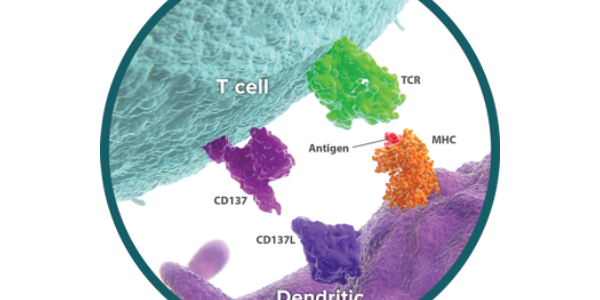

CD137 is an activating receptor binding to CD137L, expressed on natural killer (NK) cells & T cells, therefore triggering innate & adaptive immunity.
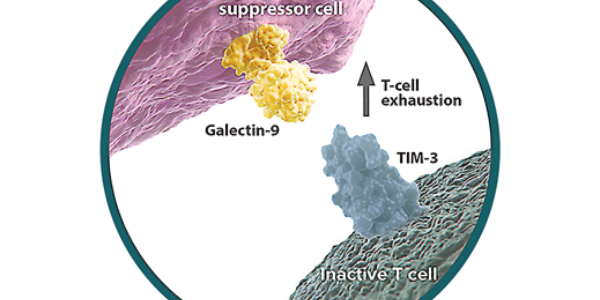
T cell immunoglobulin & mucin-3 (TIM-3; HAVcr-2) is an immune checkpoint receptor involved in the suppression of both innate & adaptive immune cells.
![ICOS [CD278] – ICOSL [CD275] Pathway](https://www.caltagmedsystems.co.uk/information/wp-content/uploads/icos-600x400px-600x300.png "ICOS [CD278] – ICOSL [CD275] Pathway")
ICOS/ICOSL signalling leads to the activation, proliferation and survival of cytotoxic T cells, as well as the survival of memory T cells.
![PD-1 [CD279]/PD-L1 [CD274] Pathway](https://www.caltagmedsystems.co.uk/information/wp-content/uploads/pd-1-600x400px-600x300.png "PD-1 [CD279]/PD-L1 [CD274] Pathway")
The PD-1/PD-L1 or PD-L2 signalling pathway is a negative regulatory mechanism that inhibits T cell proliferation and cytokine production.
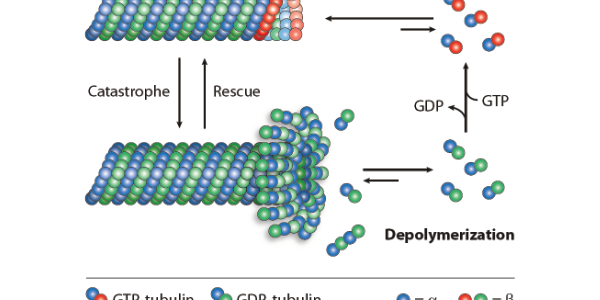
AdipoGen Life Sciences have comprehensive & unique reagents for microtubule research.
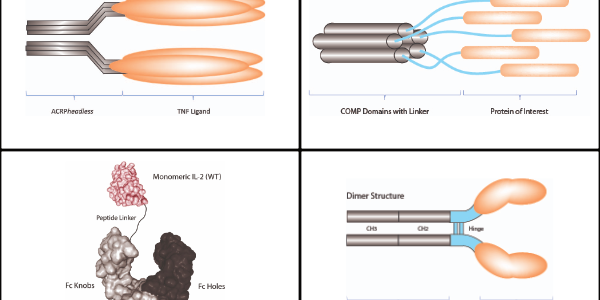
AdipoGen Life Sciences specialises in the development of recombinant proteins that show enhanced activity and stability, produced in mammalian cells.
![Progranulin [PGRN] – Marker of Neuroinflammation](https://www.caltagmedsystems.co.uk/information/wp-content/uploads/Roles_of_Progranulin-600x400px-600x300.png "Progranulin [PGRN] – Marker of Neuroinflammation")
AdipoGen’s Progranulin (human) ELISA Kit is the only kit that can detect all mutations in the progranulin gene.
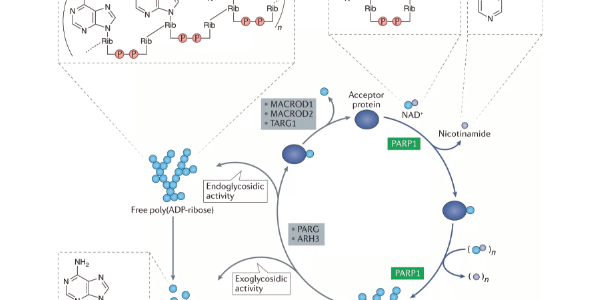
AdipoGen Life Sciences provide high quality reagents for PAR & PARP research
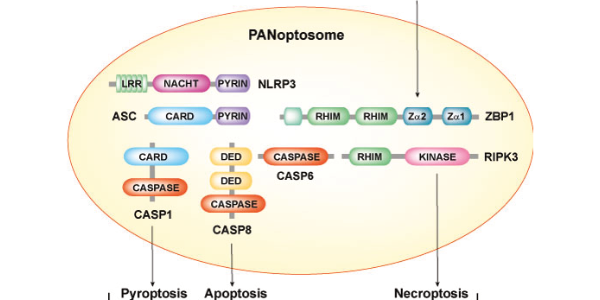
PANoptosomes are involved in many diseases including autoinflammatory, metabolic & neurodegenerative diseases, cancer & microbial human infections.

MULTICLONALS are recombinant secondary antibodies developed by AdipoGen’s innovative partner Abcalis.