MBLI is proud to introduce the Anti-Integrin αvβ6 ELISA Kit that readily allows measurement of anti-integrin αvβ6 antibody levels in human serum.
Leveraging Anti-Integrin αvβ6 Antibodies for Ulcerative Colitis
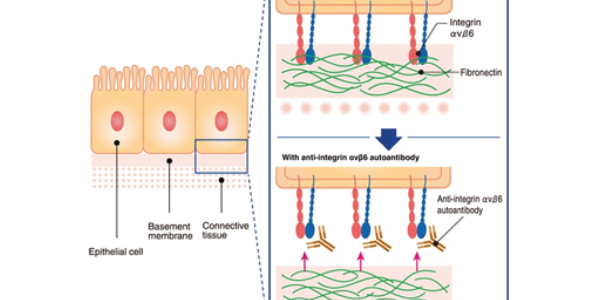

MBLI is proud to introduce the Anti-Integrin αvβ6 ELISA Kit that readily allows measurement of anti-integrin αvβ6 antibody levels in human serum.
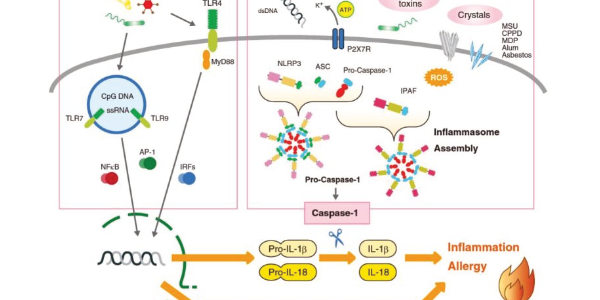
MBL International offers a wide variety of products to help in the research of IL-18.
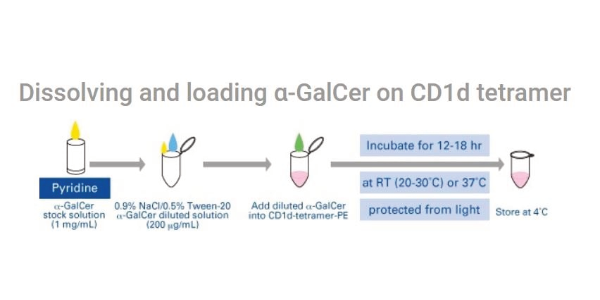
MBL International offers CD1d tetramers prepared by tetramerisation of complexes of CD1d and β2m by PE- or APC- labelled streptavidin.
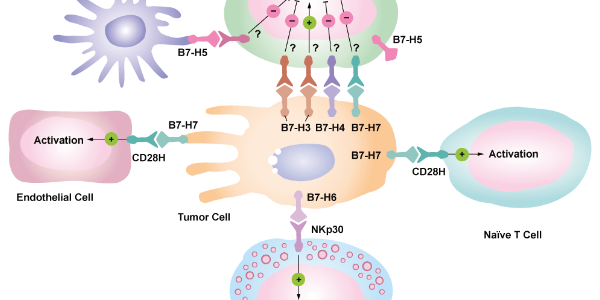
Recently 5 new B7 family ligands, B7-H3, B7-H4, B7-H5, B7-H6 & B7-H7, were identified, all of them possibly of high interest in immunotherapy research.
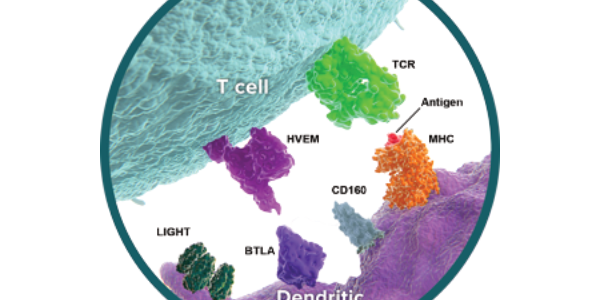
The checkpoint receptors/ligands system HVEM, LIGHT, CD160 and BTLA (CD272) is part of a complex network of overlapping receptor interactions.
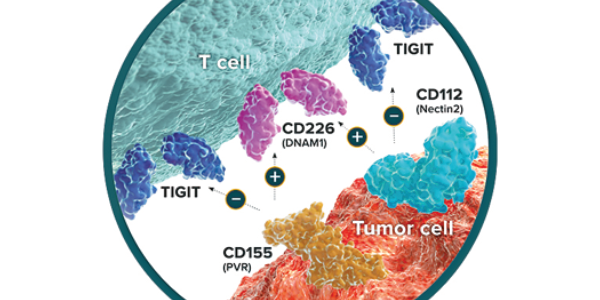
Tumour cells exploit the dominance of the inhibitory TIGIT pathway to avoid immune-mediated destruction.
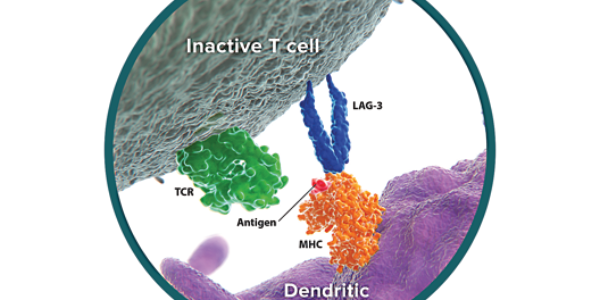
Dual inhibition of LAG-3 and other checkpoint pathways may synergistically increase T cell antitumour activity.
![CTLA-4 [CD152] – CD80 – CD86 – CD28 Network](https://www.caltagmedsystems.co.uk/information/wp-content/uploads/cd28-600x300.png "CTLA-4 [CD152] – CD80 – CD86 – CD28 Network")
Targeting CTLA-4 restores immune response by more accumulation, function & survival of T cells, depletion of Tregs & better antitumour response.
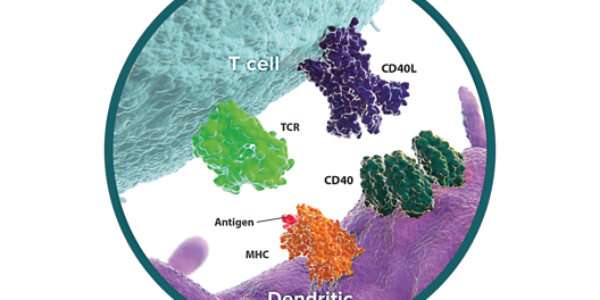
CD40 is a member of the TNF receptor family expressed by APCs and B cells whereas its ligand, CD40L (CD154), is expressed by activated T cells.
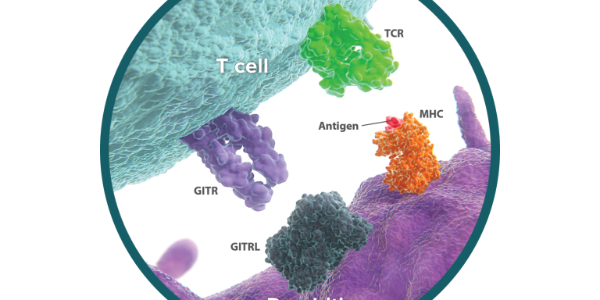
Glucocorticoid-induced TNFR-related protein is an activating receptor on the surface of T cells and other immune cells, binding to its ligand GITRL.